Lionhead Cichlid
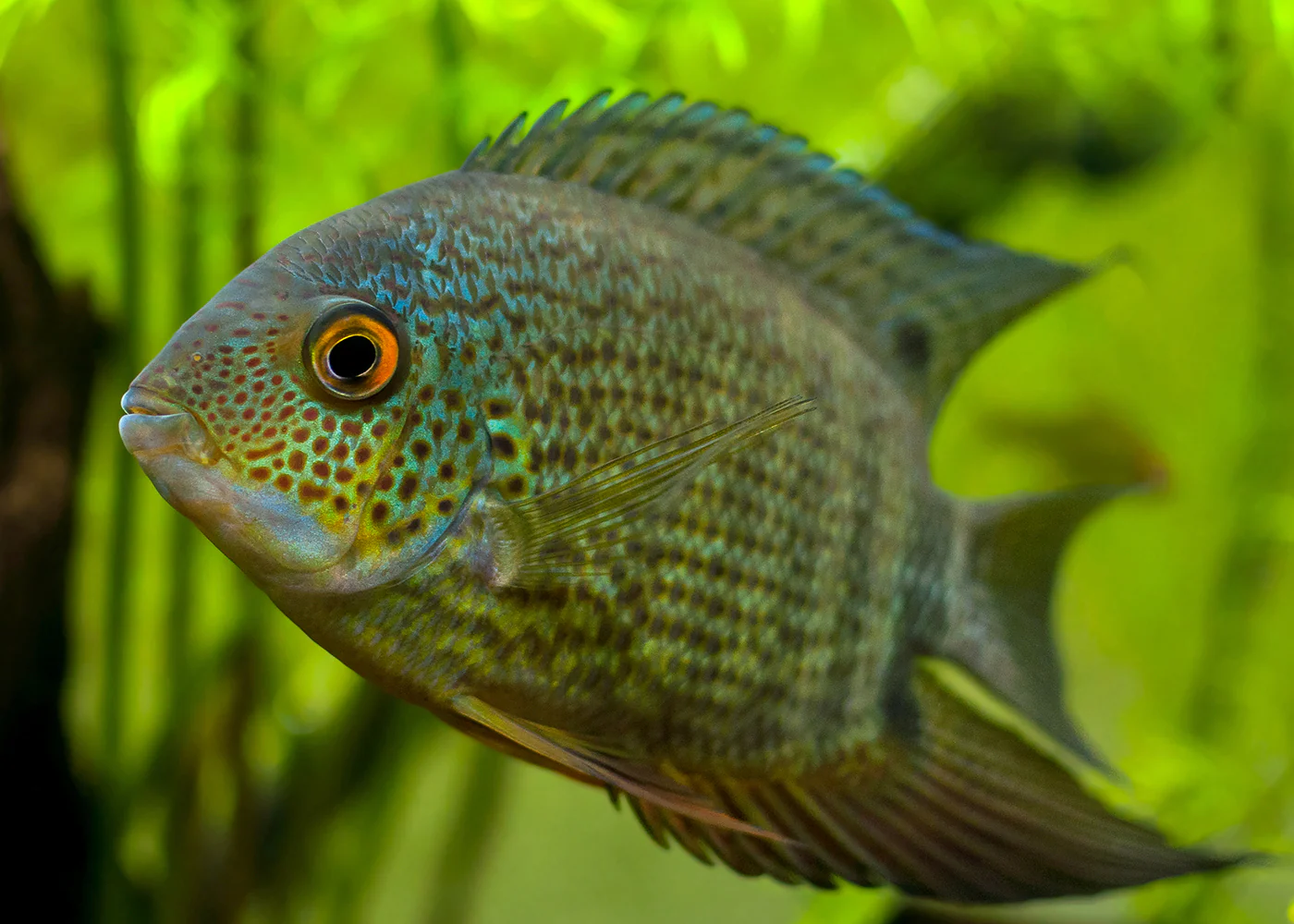
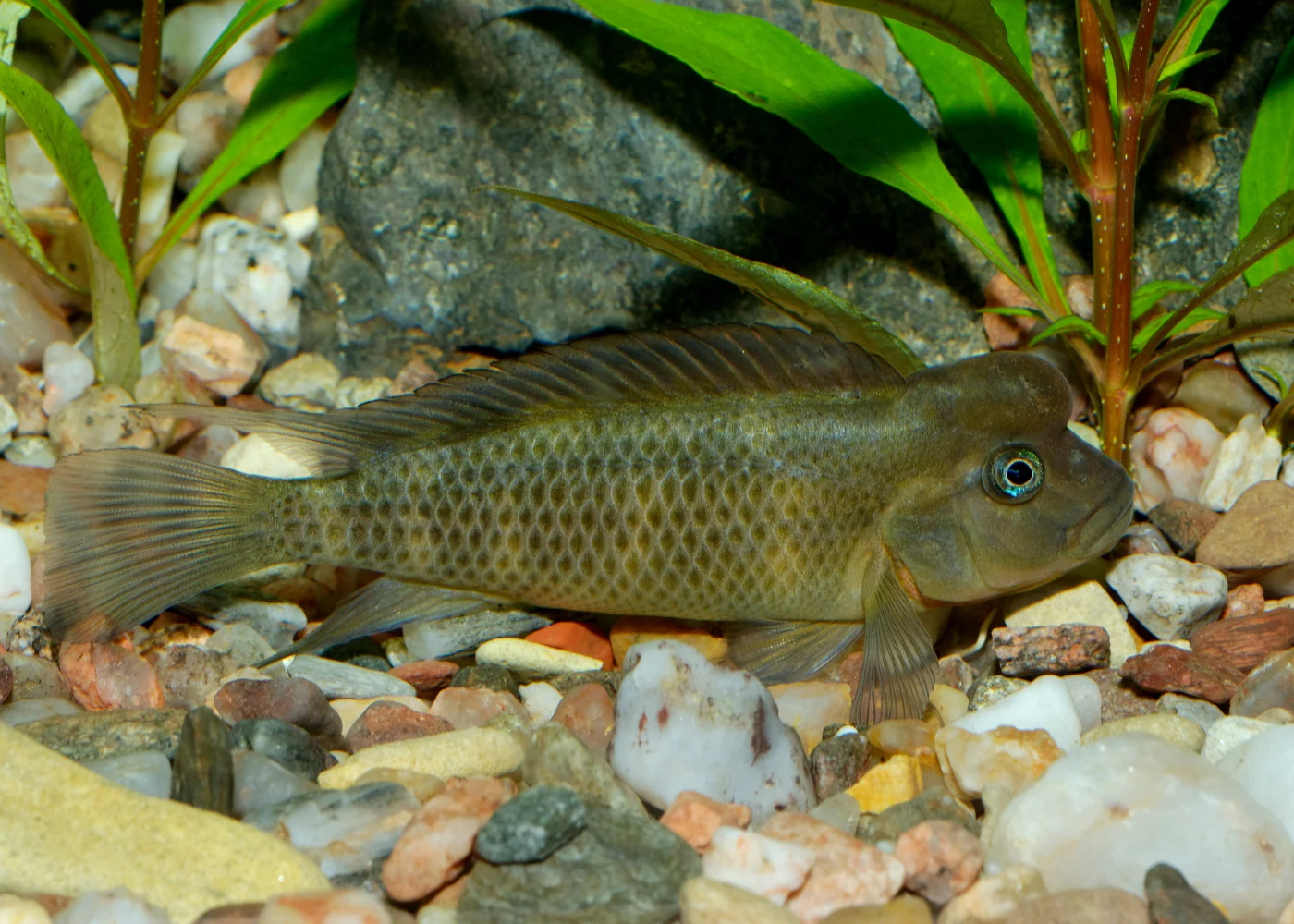
The Lionhead Cichlid (Steatocranus casuarius) is a distinctive African cichlid endemic to the fast-flowing waters of the Congo River. Unlike most African cichlids, which are typically found in lakes, this species thrives in riverine environments and exhibits unique swimming behavior due to its reduced swim bladder. Its most notable feature is the prominent nuchal hump on the forehead, especially in mature males. With its fascinating appearance, peaceful temperament, and intriguing breeding habits, the Lionhead Cichlid is a captivating choice for aquarists seeking an uncommon species with personality.
Shop live aquarium fish online with confidence, with our livestock delivery guarantee.
Features of a Lionhead Cichlid
-
Pronounced nuchal hump, especially in dominant males
-
Stocky body with subdued grey, blue or green tones
-
Adult size up to 10–12 cm
-
Reduced swim bladder – prefers staying near the bottom
-
Forms strong monogamous pairs
-
Displays cooperative parental care
The Best Aquarium Size for Lionhead Cichlid
A minimum of 100 litres is recommended for a bonded pair. For community setups or additional Lionhead Cichlids, provide at least 150–200 litres, ensuring ample territory and caves to reduce aggression.
After an Aquarium for your fish? Browse our Aquarium Tank Selection here
Tank Mate Compatibility for Lionhead Cichlid
This species is moderately peaceful and pairs well with other riverine or West/Central African species. Suitable companions include:
-
African Butterfly Fish
Avoid housing with aggressive Rift Lake cichlids or large, fast-swimming predators.
Diet for Lionhead Cichlid
Lionhead Cichlids are omnivorous. A varied diet is essential for health and colouration:
-
High-quality sinking cichlid pellets
-
Frozen or live foods (bloodworms, brine shrimp, daphnia)
-
Blanched vegetables (spinach, zucchini)
-
Occasional spirulina-based foods for plant matter
Browse our High Quality Fish Food online.
Aquarium Setup for Lionhead Cichlid
Aquarium Filtration
Use moderate to strong filtration that mimics river flow. While they tolerate lower oxygen, good water quality is essential.
Browse aquarium filters here.
Aquarium Plants
Hardy plants such as Anubias and Java Fern can be attached to rocks and driftwood. Substrate-rooted plants are not essential.
Interested in live plants for your aquariums? Browse live plants here.
Aquarium Lighting
Moderate lighting enhances natural colours and supports plant growth.
Need aquarium lighting for your fish tank? Browse our Aquarium Lighting
Aquarium Heating
Maintain a stable temperature between 23–27°C using a reliable heater.
Looking for a suitable fish tank heater? Shop aquarium heaters here.
Aquarium Substrate
Use fine sand or smooth gravel. Avoid sharp materials due to the cichlid’s bottom-dwelling behaviour.
Shop a variety of Aquarium Substrates here
Aquarium Decorations
Incorporate rocks, caves, and driftwood to establish territories and provide hiding spaces. Structures should be stable to prevent collapse.
Check out our huge range of Aquarium Ornaments
Original: $19.95
-70%$19.95
$5.98Product Information
Product Information
Shipping & Returns
Shipping & Returns
Description
The Lionhead Cichlid (Steatocranus casuarius) is a distinctive African cichlid endemic to the fast-flowing waters of the Congo River. Unlike most African cichlids, which are typically found in lakes, this species thrives in riverine environments and exhibits unique swimming behavior due to its reduced swim bladder. Its most notable feature is the prominent nuchal hump on the forehead, especially in mature males. With its fascinating appearance, peaceful temperament, and intriguing breeding habits, the Lionhead Cichlid is a captivating choice for aquarists seeking an uncommon species with personality.
Shop live aquarium fish online with confidence, with our livestock delivery guarantee.
Features of a Lionhead Cichlid
-
Pronounced nuchal hump, especially in dominant males
-
Stocky body with subdued grey, blue or green tones
-
Adult size up to 10–12 cm
-
Reduced swim bladder – prefers staying near the bottom
-
Forms strong monogamous pairs
-
Displays cooperative parental care
The Best Aquarium Size for Lionhead Cichlid
A minimum of 100 litres is recommended for a bonded pair. For community setups or additional Lionhead Cichlids, provide at least 150–200 litres, ensuring ample territory and caves to reduce aggression.
After an Aquarium for your fish? Browse our Aquarium Tank Selection here
Tank Mate Compatibility for Lionhead Cichlid
This species is moderately peaceful and pairs well with other riverine or West/Central African species. Suitable companions include:
-
African Butterfly Fish
Avoid housing with aggressive Rift Lake cichlids or large, fast-swimming predators.
Diet for Lionhead Cichlid
Lionhead Cichlids are omnivorous. A varied diet is essential for health and colouration:
-
High-quality sinking cichlid pellets
-
Frozen or live foods (bloodworms, brine shrimp, daphnia)
-
Blanched vegetables (spinach, zucchini)
-
Occasional spirulina-based foods for plant matter
Browse our High Quality Fish Food online.
Aquarium Setup for Lionhead Cichlid
Aquarium Filtration
Use moderate to strong filtration that mimics river flow. While they tolerate lower oxygen, good water quality is essential.
Browse aquarium filters here.
Aquarium Plants
Hardy plants such as Anubias and Java Fern can be attached to rocks and driftwood. Substrate-rooted plants are not essential.
Interested in live plants for your aquariums? Browse live plants here.
Aquarium Lighting
Moderate lighting enhances natural colours and supports plant growth.
Need aquarium lighting for your fish tank? Browse our Aquarium Lighting
Aquarium Heating
Maintain a stable temperature between 23–27°C using a reliable heater.
Looking for a suitable fish tank heater? Shop aquarium heaters here.
Aquarium Substrate
Use fine sand or smooth gravel. Avoid sharp materials due to the cichlid’s bottom-dwelling behaviour.
Shop a variety of Aquarium Substrates here
Aquarium Decorations
Incorporate rocks, caves, and driftwood to establish territories and provide hiding spaces. Structures should be stable to prevent collapse.
Check out our huge range of Aquarium Ornaments