Altolamprologus Calvus
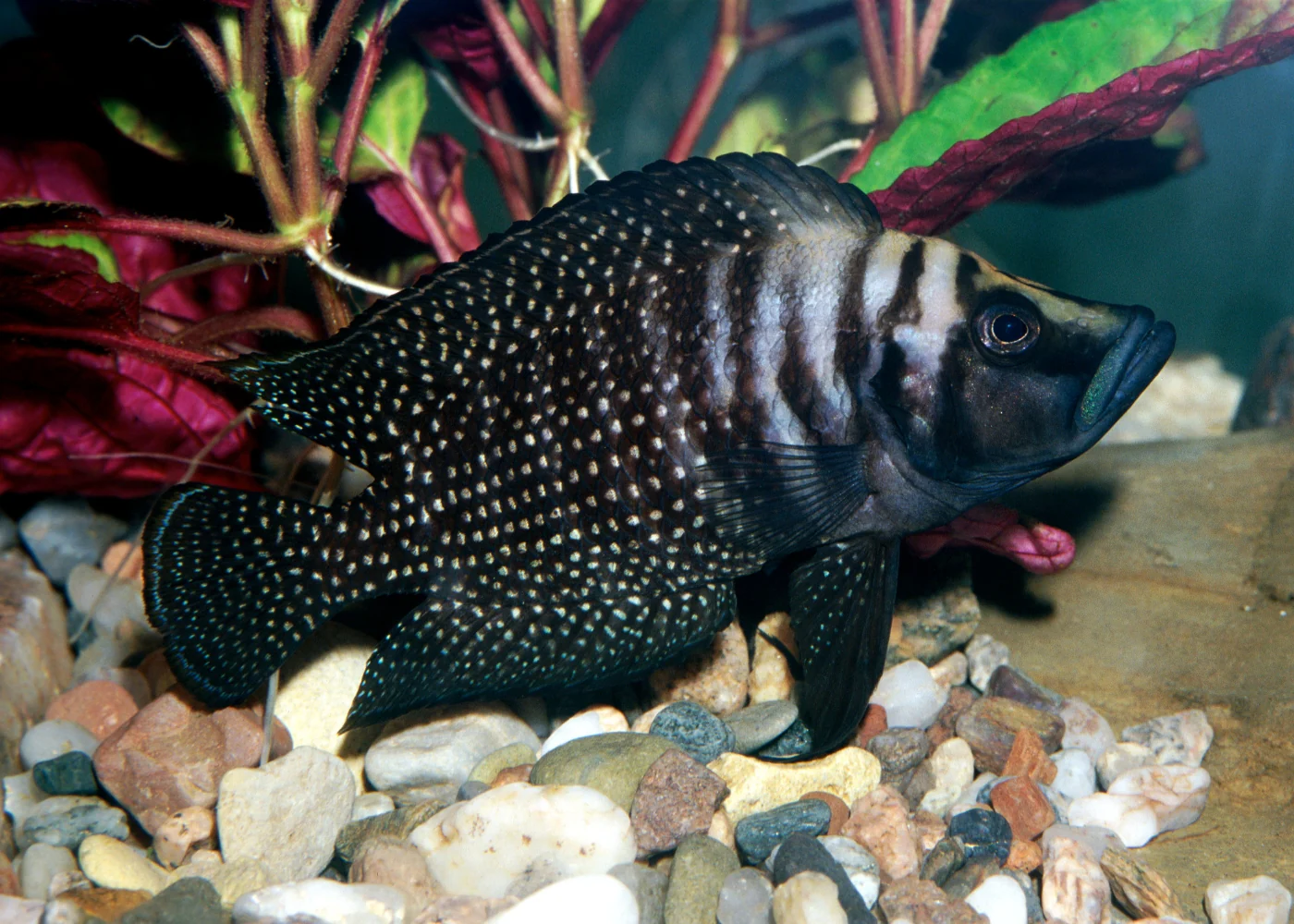
The Altolamprologus calvus is a distinctive African Cichlid native to the rocky shorelines of Lake Tanganyika. Known for its laterally compressed body and slow, deliberate movements, this species is part of the Altolamprologus genus, which includes predatory cichlids that specialise in ambushing prey. Unlike many of its more aggressive relatives, A. calvus is comparatively peaceful, making it a suitable candidate for well-structured Tanganyikan community aquariums. Its unique body shape allows it to navigate tight rock crevices in search of food, and its calm temperament makes it ideal for patient aquarists who appreciate subtle, calculated behaviour.
Shop live aquarium fish online with confidence, with our livestock delivery guarantee.
Features of an Altolamprologus Calvus
-
Deeply compressed body with a long dorsal fin
-
Grows to 12–15 cm in captivity
-
Colours vary by locality: black, white, or yellow morphs are common
-
Slower, deliberate swimming style suited to ambush hunting
-
Thickened cranial and jaw structure for shell and crustacean feeding
-
Lifespan of 8–10 years with optimal care
The Best Aquarium Size for Altolamprologus Calvus
A minimum of 150 litres is recommended for a single adult or pair. For community settings with other Tanganyikan species, 200–250 litres allows for proper territorial division and structure. Height is less important than horizontal space and rockwork.
After an Aquarium for your fish? Browse our Aquarium Tank Selection here
Tank Mate Compatibility for Altolamprologus Calvus
Best kept with other calm or semi-aggressive Tanganyikan species that prefer rock-dwelling environments. Suitable tank mates include:
-
Shell Dweller Cichlids (e.g., Lamprologus ocellatus)
Avoid overly aggressive species or large, free-swimming haps.
Diet for Altolamprologus Calvus
Carnivorous with a preference for protein-rich foods:
-
Frozen or live foods: brine shrimp, mysis shrimp, bloodworms
-
High-quality cichlid pellets (slow-sinking preferred)
-
Occasional supplementation with krill or finely chopped seafood
-
Avoid flake foods and overfeeding to prevent bloating
Browse our High Quality Fish Food online.
Aquarium Setup for Altolamprologus Calvus
Aquarium Filtration
Use a high-efficiency canister or sponge filter with gentle flow. Water clarity and low nitrate levels are essential.
Browse aquarium filters here.
Aquarium Plants
Live plants are rarely used in Lake Tanganyika biotopes but may include hardy, anchored species like Anubias or Vallisneria. Artificial plants are acceptable if securely placed.
Interested in live plants for your aquariums? Browse live plants here.
Aquarium Lighting
Low to moderate lighting enhances natural behaviour and coloration. Intense lighting can stress this species.
Need aquarium lighting for your fish tank? Browse our Aquarium Lighting.
Aquarium Heating
Maintain temperatures between 24–27°C with a reliable heater and digital thermometer.
Looking for a suitable fish tank heater? Shop aquarium heaters here.
Aquarium Substrate
Use fine sand or smooth, light-coloured gravel to reflect the natural substrate of Lake Tanganyika.
Shop a variety of Aquarium Substrates here
Aquarium Decorations
Build rock piles with caves and crevices for security and territory. Use smooth stones and avoid unstable or sharp decor. Vertical rock faces are appreciated for hiding and spawning.
Check out our huge range of Aquarium Ornaments
Product Information
Product Information
Shipping & Returns
Shipping & Returns
Description
The Altolamprologus calvus is a distinctive African Cichlid native to the rocky shorelines of Lake Tanganyika. Known for its laterally compressed body and slow, deliberate movements, this species is part of the Altolamprologus genus, which includes predatory cichlids that specialise in ambushing prey. Unlike many of its more aggressive relatives, A. calvus is comparatively peaceful, making it a suitable candidate for well-structured Tanganyikan community aquariums. Its unique body shape allows it to navigate tight rock crevices in search of food, and its calm temperament makes it ideal for patient aquarists who appreciate subtle, calculated behaviour.
Shop live aquarium fish online with confidence, with our livestock delivery guarantee.
Features of an Altolamprologus Calvus
-
Deeply compressed body with a long dorsal fin
-
Grows to 12–15 cm in captivity
-
Colours vary by locality: black, white, or yellow morphs are common
-
Slower, deliberate swimming style suited to ambush hunting
-
Thickened cranial and jaw structure for shell and crustacean feeding
-
Lifespan of 8–10 years with optimal care
The Best Aquarium Size for Altolamprologus Calvus
A minimum of 150 litres is recommended for a single adult or pair. For community settings with other Tanganyikan species, 200–250 litres allows for proper territorial division and structure. Height is less important than horizontal space and rockwork.
After an Aquarium for your fish? Browse our Aquarium Tank Selection here
Tank Mate Compatibility for Altolamprologus Calvus
Best kept with other calm or semi-aggressive Tanganyikan species that prefer rock-dwelling environments. Suitable tank mates include:
-
Shell Dweller Cichlids (e.g., Lamprologus ocellatus)
Avoid overly aggressive species or large, free-swimming haps.
Diet for Altolamprologus Calvus
Carnivorous with a preference for protein-rich foods:
-
Frozen or live foods: brine shrimp, mysis shrimp, bloodworms
-
High-quality cichlid pellets (slow-sinking preferred)
-
Occasional supplementation with krill or finely chopped seafood
-
Avoid flake foods and overfeeding to prevent bloating
Browse our High Quality Fish Food online.
Aquarium Setup for Altolamprologus Calvus
Aquarium Filtration
Use a high-efficiency canister or sponge filter with gentle flow. Water clarity and low nitrate levels are essential.
Browse aquarium filters here.
Aquarium Plants
Live plants are rarely used in Lake Tanganyika biotopes but may include hardy, anchored species like Anubias or Vallisneria. Artificial plants are acceptable if securely placed.
Interested in live plants for your aquariums? Browse live plants here.
Aquarium Lighting
Low to moderate lighting enhances natural behaviour and coloration. Intense lighting can stress this species.
Need aquarium lighting for your fish tank? Browse our Aquarium Lighting.
Aquarium Heating
Maintain temperatures between 24–27°C with a reliable heater and digital thermometer.
Looking for a suitable fish tank heater? Shop aquarium heaters here.
Aquarium Substrate
Use fine sand or smooth, light-coloured gravel to reflect the natural substrate of Lake Tanganyika.
Shop a variety of Aquarium Substrates here
Aquarium Decorations
Build rock piles with caves and crevices for security and territory. Use smooth stones and avoid unstable or sharp decor. Vertical rock faces are appreciated for hiding and spawning.
Check out our huge range of Aquarium Ornaments